
Adventure on Pause? How to Prepare Your Boat or RV for Storage the Right Way
Adventure on Pause? How to Prepare Your Boat or RV for Storage the Right Way
Josh Summerhays
August 17th, 2026
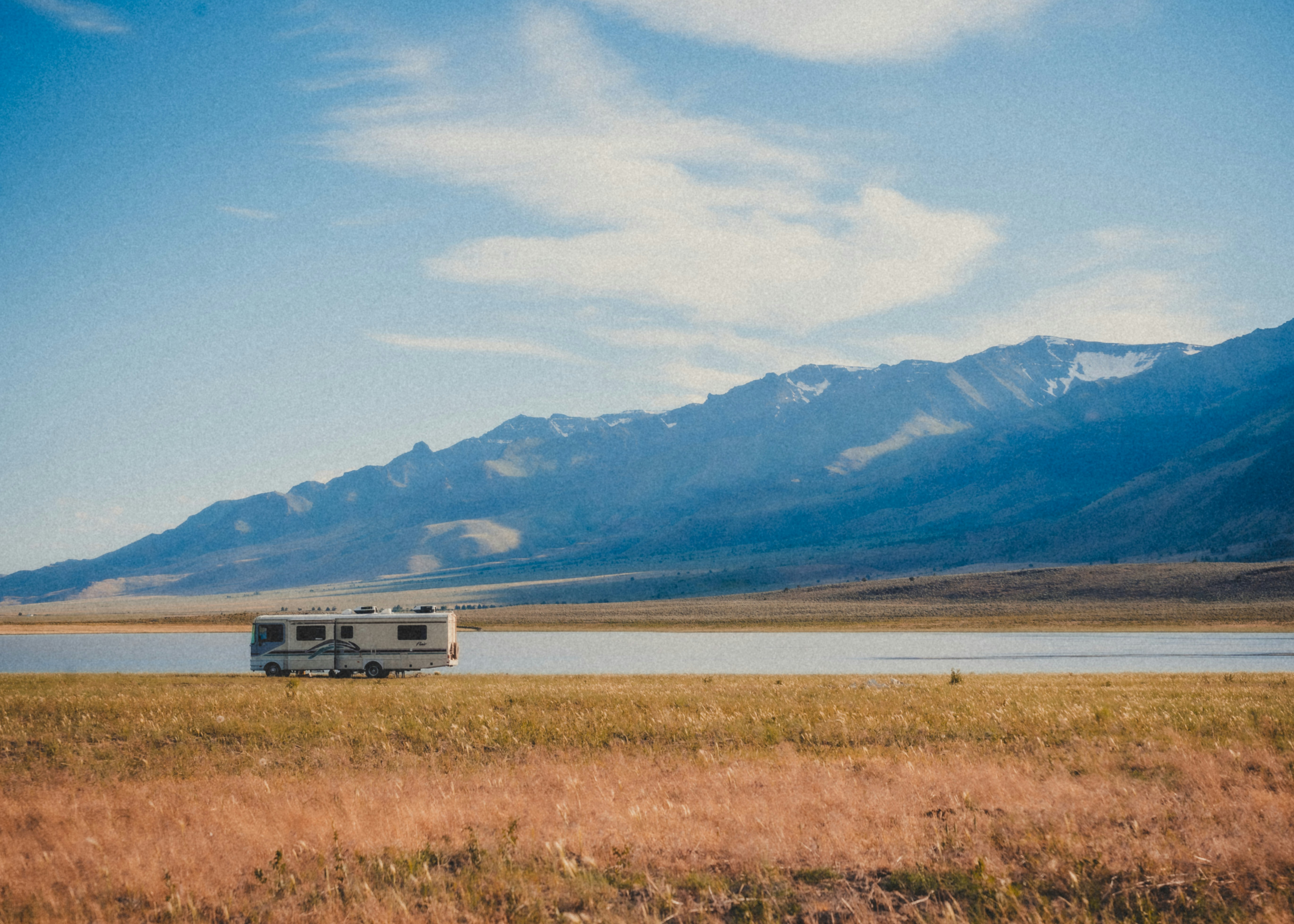
There is something satisfying about owning a boat or RV. A boat can turn an ordinary weekend into a day on the water, while an RV makes it easier to pack up, change scenery, and spend a few days away from the usual routine. Around Fairfield and the surrounding Utah County area, those possibilities feel especially close. Utah Lake State Park offers boating, fishing, paddleboarding, and RV camping, while Fairfield itself is home to Camp Floyd State Park Museum and sits within reach of plenty of places where recreational equipment earns its keep. Of course, boats and RVs spend plenty of time parked, too. Sometimes that means a few weeks between outings. In other cases, an RV or boat may sit for several months while schedules change or the equipment simply is not being used. That downtime deserves some attention because parking a recreational vehicle is not quite the same as preparing one for storage. Dirt can sit on surfaces, batteries can discharge, forgotten food can attract pests, and small maintenance issues can become unwelcome surprises when it is finally time to head out again.
A thoughtful storage routine helps prevent those problems and, just as importantly, makes the next outing easier to plan. Cleaning, inspecting, draining, organizing, and properly preparing the mechanical systems may require an afternoon of work, but it can save considerably more time later. For owners looking at storage options in Fairfield, we at Cedar Valley Storage provide space for RVs, boats, vehicles, and the extra gear that tends to come along with them.
Key Points for Readers Short on Time
- Give the boat or RV a complete interior and exterior cleaning before storage, and make sure damp areas are fully dry.
- Follow manufacturer recommendations for batteries, fuel, fluids, plumbing systems, generators, tires, and other mechanical components.
- Boat owners should pay close attention to Utah's Clean, Drain, and Dry requirements before putting a vessel away.
- Remove food, trash, damp materials, and unnecessary belongings that could create odors, moisture problems, or attract pests.
- Check on a stored boat or RV periodically rather than assuming everything will remain exactly as it was on storage day.
Start With a Cleaning That Goes Beyond Appearances
After a long weekend outdoors, cleaning can be one of those jobs that is easy to postpone. The temptation is understandable. Once the boat is back on the trailer or the RV is parked, unloading the important belongings and dealing with everything else later can sound perfectly reasonable. Unfortunately, "later" can easily turn into several weeks, and the dirt, crumbs, moisture, and outdoor debris left behind have plenty of time to settle in. For a boat, start by washing the hull, deck, trailer, seats, storage compartments, and other exposed surfaces. Remove mud, vegetation, fishing debris, food, spilled drinks, and anything else brought back from the water. Pay particular attention to areas that stay damp after use. Life jackets, ropes, towels, cushions, and other wet items should be removed or allowed to dry thoroughly rather than being shut inside a compartment.
Meanwhile, an RV deserves the same level of attention inside. Vacuum the floors and upholstery, clean counters, wipe cabinet interiors, empty the refrigerator, and remove all food and trash. Look underneath seats, inside drawers, around appliances, and in the small spaces where crumbs have a habit of disappearing. If the refrigerator will remain off, clean and dry it according to the manufacturer's storage recommendations so it is not sitting closed with lingering moisture or food residue. More importantly, use the cleaning process as an inspection. Moving slowly around the vehicle gives you a chance to notice a cracked seal, damaged fitting, worn strap, loose piece of trim, or suspicious stain that might otherwise go unnoticed. In other words, cleaning before storage is not simply about making the boat or RV look better. It gives you a useful baseline, so you know the equipment was clean, dry, and inspected when you parked it.
For Boats, Cleaning Also Has an Environmental Purpose
For Utah boat owners, cleaning a vessel after use carries additional importance. Aquatic invasive species can travel from one body of water to another on boats and equipment, which is why Utah requires boaters to follow specific procedures after leaving the water. The state's guidance centers on three straightforward steps: Clean, Drain, and Dry. Cleaning means removing plants, fish, mussels, mud, and other material from the boat and its equipment. Draining means eliminating water from places such as ballast tanks, bilges, live wells, and motors. Drain plugs must also be removed when leaving a waterbody and while transporting the vessel. Finally, the boat needs to meet the appropriate drying requirements before entering another body of water unless a qualifying professional decontamination has been completed. The exact dry period depends on the type of vessel and season. Utah currently requires a 30-day dry time for complex boats containing systems such as inboard motors, ballast tanks, bilges, live wells, generators, air conditioning units, or other raw water systems. For simpler watercraft, seasonal drying periods vary. Because these rules can change, boat owners should check Utah's official aquatic invasive species requirements rather than relying on an old checklist tucked into the glove compartment. That step makes particular sense for people who regularly visit different lakes. Utah Lake, for example, provides boating, fishing, swimming, paddleboarding, and camping opportunities, so it is easy to see why boats and RVs are such useful recreational investments for families in this part of Utah. Utah Lake State Park provides official information about boating access, camping, facilities, and park requirements that can be helpful when planning a future outing. Once the vessel is properly cleaned and drained, however, there is still more to consider before storage.
Give the Mechanical Systems the Attention They Need
Mechanical preparation is where a little patience can make a significant difference. Boats and RVs are complex pieces of equipment, and each manufacturer may have different recommendations for extended periods of inactivity. Instead of relying on a universal checklist for every engine or system, pull out the owner's manual and follow the storage procedures specified for your particular model. Begin with fluids. Check the engine oil, coolant where applicable, transmission fluid, generator fluids, and any other serviceable systems. While doing so, look underneath and around the equipment for evidence of leaks. A small fluid spot on the ground may be easy to dismiss during a busy travel season, but storage gives you an ideal opportunity to determine where it came from and address the problem before the vehicle sits for months.
Fuel deserves similar attention. Depending on the engine and manufacturer, long-term storage may call for a particular fuel level, stabilizer, or other preparation. Avoid assuming that the process you used on an older boat, lawn equipment, or previous RV automatically applies to your current vehicle. Fuel systems have changed considerably over time, so manufacturer-specific guidance should take priority. Likewise, RV owners should remember the generator. It may only run occasionally during trips, which makes it especially easy to forget when preparing the RV for storage. Check its maintenance schedule and storage recommendations along with those for the main vehicle engine. Ultimately, the goal is not to perform unnecessary maintenance simply because the equipment is being stored. Instead, storage day is a convenient time to catch up on work that is already due and to make sure the mechanical systems are being left in the condition recommended by the manufacturer.
Do Not Forget About RV Plumbing
After the engine and mechanical systems are addressed, an RV owner still has another important system to consider: the plumbing. Freshwater tanks, wastewater tanks, pumps, toilets, faucets, water heaters, and connecting lines all require appropriate preparation before an extended period of storage. The exact procedure depends on the RV, the length of storage, and the manufacturer's recommendations. Therefore, the owner's manual should again be the starting point.
At a minimum, do not leave wastewater sitting in the RV during long-term storage. Empty and clean the appropriate tanks at an approved location and inspect accessible plumbing components for leaks or damage. If the RV needs to be winterized, follow the manufacturer's procedure and use products specifically intended for RV plumbing systems. While working through these systems, it is worth making notes about anything that has been disconnected, drained, bypassed, or otherwise changed. Several months from now, it may not be obvious which valves were moved or which components need to be restored before the first trip. A simple storage checklist kept with the owner's manual can save a surprising amount of head scratching later.
Take Care of the Batteries Before They Sit
Batteries have an inconvenient way of being forgotten until the exact moment they are needed. A boat or RV can look perfectly ready for another adventure, only for a weak or discharged battery to bring departure plans to an abrupt stop. Before storage, inspect the battery or batteries for corrosion, damage, or other visible problems. Make sure the terminals and connections are in good condition, and then follow the battery and vehicle manufacturer's recommendations for long-term storage.
Depending on the system, that may involve disconnecting a battery or using a compatible battery maintainer. However, the correct approach depends on the battery chemistry and the equipment. RV owners should also remember that their vehicle may have separate chassis and house batteries, while boats can have dedicated starting and accessory battery banks. The important point is to make battery care an intentional part of the process rather than simply shutting everything down and hoping there is enough charge left months later. Furthermore, if the equipment will remain parked for a particularly long period, add the batteries to your periodic inspection routine.
Tires Still Need Attention When Nothing Is Moving
Tires naturally receive plenty of attention before a road trip, but they are often ignored once an RV or trailer is parked. Yet tires continue to carry weight during storage, and an existing problem does not disappear simply because the wheels are no longer turning. Before parking, inspect each tire for visible cracks, unusual wear, embedded objects, bulges, or other damage. Check the inflation pressure against the appropriate manufacturer specifications, and take a moment to inspect the valve stems as well.
For a boat, extend that inspection to the entire trailer. Look at the hitch, coupler, safety chains, winch, straps, lights, tires, and wheel components. Boat owners naturally focus most of their attention on the vessel itself, but the trailer is what gets that vessel safely from storage to the water. The same principle applies to RV owners preparing another vehicle for a long period off the road. Our guide to preparing your car for storage the right way explores many of the same basic ideas, including cleaning, maintenance, battery preparation, and planning for eventual retrieval.
Make the Interior a Bad Place for Pests to Settle In
Once the mechanical work is finished, turn your attention back to the interior. A parked RV or boat may seem sealed from the outside, but rodents and insects can take advantage of remarkably small openings. Food residue, paper products, soft materials, and quiet compartments can make the interior even more inviting. Start with the simplest step: remove anything edible. That includes obvious items such as snacks and pantry food, but also pet food, drink mixes, forgotten candy, and anything else with a noticeable scent. Vacuum carefully around seating, cabinets, drawers, and appliances to eliminate crumbs that might otherwise remain for months.
Next, inspect doors, hatches, utility connections, and other exterior openings for obvious gaps. However, do not simply block every opening you find. Some vents and components are designed to remain unobstructed, so any pest prevention measure should respect the manufacturer's ventilation and safety requirements. Moisture deserves attention at the same time. Damp fabrics, wet ropes, towels, swim gear, or cushions should not be left closed inside. Boats should be allowed to dry properly before compartments and covers are secured, while RV owners should make sure sinks, showers, refrigerators, and other moisture-prone spaces are clean and dry. This is one of those storage tasks where a little extra time pays off. Returning to a clean interior is much easier than dealing with odors, nesting material, mildew, or damaged belongings after several months away.
Choose a Cover Carefully Rather Than Simply Covering Everything
A cover seems like an obvious storage accessory, but not every cover is appropriate for every boat or RV. Fit, material, ventilation, and installation all matter. For a boat, a properly fitted cover can protect seating, controls, and interior surfaces from debris while the vessel is parked. However, it should be installed in a way that does not trap unnecessary moisture. Likewise, an RV cover needs to fit the shape of the vehicle and account for roof accessories, antennas, vents, and other components that could be damaged by excessive pressure or movement.
Before installing any cover, make sure the equipment is clean and sufficiently dry. Then follow the cover manufacturer's instructions for securing it. A cover that is constantly shifting or rubbing against a surface is not providing the same kind of protection as one that is fitted and secured correctly. At this point, you may also realize that quite a bit of equipment should not stay inside the boat or RV at all. That leads naturally to another part of storage preparation: deciding what should come out.
Give All That Extra Gear Somewhere Logical to Go
Boats and RVs accumulate belongings almost without anyone noticing. One trip adds a pair of folding chairs. Another adds fishing equipment, a portable grill, water toys, tools, hoses, extension cords, cookware, games, or camping supplies. Before long, nearly every available compartment has something inside it. Storage preparation is a good opportunity to decide which of those belongings actually need to remain aboard. Remove sensitive electronics, unnecessary personal belongings, food, damp gear, and other items that are better stored elsewhere. Then group the remaining equipment by purpose rather than dropping everything into random containers.
For example, boating safety equipment can stay together, while fishing gear, camping supplies, maintenance tools, and outdoor cooking equipment can each have their own clearly labeled container. This makes packing for the next outing considerably easier because you are not searching through unrelated gear for one missing item. If some of that equipment is going into a separate storage unit, accessibility matters just as much as organization. Our article on storage unit packing tips and tricks that actually make moving easier explains how thoughtful placement and labeling can keep a storage space useful rather than allowing it to become a wall of mystery boxes.
Prepare for the Next Trip While You Still Remember the Last One
One of the easiest ways to improve storage preparation is to think backward. Instead of asking only, "What do I need to do before parking this?" ask, "What will I wish I had done when I come back?" That small shift changes the way you organize the entire process. If electronics are removed, note where they are stored. If a battery is disconnected, write it down. If the plumbing system is winterized, keep a record of the steps that need to be reversed. If a piece of equipment needs repair, handle it now or leave yourself a clear reminder.
This is also a useful time to gather registration paperwork, maintenance records, spare keys, manuals, and towing information. Keeping these documents organized means they are less likely to disappear during the months the equipment is parked. A few photos can help, too. Take pictures of the boat or RV after it has been cleaned and parked, including the tires, exterior, and important equipment areas. Not only does this provide a simple record of its condition, but the photos can also remind you how equipment was arranged or secured. Essentially, the best storage routine does not end when the vehicle is parked. It creates a clear path toward getting that vehicle moving again.
Fairfield Makes a Practical Home Base for Recreational Equipment
The Fairfield area has its own connection to outdoor exploration, and that makes boat and RV ownership feel particularly natural here. Nearby Utah Lake State Park supports boating, fishing, paddleboarding, swimming, and camping, including an RV campground with water and power hookups. Utah State Parks also notes that boating opportunities are available at numerous state parks throughout Utah, giving boat owners plenty of reasons to keep their equipment ready for another outing. With so much recreational equipment comes a practical challenge, though. Boats, trailers, and RVs require significant space when they are not being used. Keeping a large RV or boat at home can quickly consume driveway or garage space that could be useful for everyday vehicles and household needs. At Cedar Valley Storage, we provide RV, boat, and vehicle parking in addition to traditional storage units. For people coming from neighboring communities, our information about storage near Eagle Mountain and storage near Saratoga Springs can also help clarify nearby storage choices and available space for recreational equipment.
Do Not Treat Storage as "Park It and Forget It"
After all that preparation, it can be tempting to assume the boat or RV no longer needs attention until the next trip. For shorter storage periods, that may not create much concern. For longer periods, however, occasional inspections are a smart habit. When you visit, start with a slow walk around the exterior. Look at the tires, covers, windows, seals, trailer components, and the ground underneath the equipment. A new stain underneath a vehicle could point to a leak, while a shifted cover may need to be repositioned before it rubs against a surface or allows debris underneath.
Then check the interior. Look for unusual odors, moisture, signs of pest activity, or anything else that has changed since the last visit. If batteries are being maintained according to manufacturer recommendations, include them in the inspection. The same applies to tires, generators, engines, and other components if their manufacturers call for specific maintenance during periods of inactivity. Keeping a simple log makes these visits more useful. Record the original storage date, fuel preparation, battery procedure, tire pressures, plumbing work, maintenance completed, and dates of subsequent inspections. Months later, you will not have to rely on memory to figure out what was done.
Plan the Parking Position With Retrieval in Mind
There is one practical detail that is easy to overlook until the very end: how the boat or RV is actually parked. Think about what you will need access to later. Will you need room to connect a tow vehicle? Are important compartments accessible? Can you inspect the tires without moving other belongings? If the equipment is covered, can the cover be removed without an awkward struggle? These questions matter because storage is only half of the process. Eventually, the boat or RV has to leave again.
If accessories or equipment are being stored separately, arrange them so the items required first are not buried behind things you rarely use. A trailer hitch component, RV leveling equipment, boating safety gear, or essential tool kit should not require emptying half a storage unit to retrieve. The same idea applies to keys and paperwork. Decide where they will live before storage begins. Few things are more frustrating than having a boat or RV ready to go while the key is sitting somewhere in an unlabeled kitchen drawer.
Give Yourself Time for a Full Inspection Before the First Trip Back
When the next adventure finally arrives, avoid making retrieval day the same day as departure if possible. A boat or RV that has been parked for months deserves a complete inspection before returning to the road or water. Begin with the basics. Check tire condition and pressure, batteries, lights, fluids, brakes where applicable, trailer connections, safety equipment, and registration. Restore any plumbing, electrical, or mechanical systems that were disconnected or winterized. Reinstall equipment removed before storage and test important systems before packing the vehicle for a trip.
For boats, Utah's aquatic invasive species requirements should also be reviewed again before launching. Utah requires boaters to stop at operating AIS inspection stations they encounter, and motorized boaters have additional education, enrollment, and decal requirements. Rules can be updated, so checking official information before the season begins is preferable to assuming last year's procedure is still the same. After that, consider a shorter test outing before committing to a long trip. An RV can be driven locally to confirm that major systems are operating normally, while a boat can receive a careful pre-launch inspection before returning to the water. Finding a minor issue close to home is considerably easier than discovering it halfway through a long-awaited vacation.
Good Storage Preparation Is Really About the Next Adventure
A boat or RV may spend weeks or months sitting still, but that downtime is part of ownership just as much as the trips themselves. Taking the time to clean the equipment, prepare its mechanical systems, care for the batteries and tires, remove unnecessary belongings, prevent pest problems, and organize recreational gear gives you a much better starting point when it is finally time to use it again.
Just as importantly, proper preparation takes some of the uncertainty out of retrieval day. Instead of wondering whether food was left inside, whether the battery survived, or whether that small maintenance issue was ever addressed, you can return to equipment that was intentionally put away. There will still be a pre-trip inspection to complete, of course, but that is much easier when you know exactly how the boat or RV was stored.
For boat and RV owners around Fairfield, Eagle Mountain, Saratoga Springs, and the surrounding area, having a dedicated place for large recreational equipment can also help preserve valuable space at home between outings. We at Cedar Valley Storage provide parking for boats, RVs, and vehicles along with storage units for the gear that accompanies them, so local owners considering where to keep everything between adventures can explore storage options from Cedar Valley Storage as part of their planning for the next trip.
Categories