
How to Pack Your Storage Unit to Make Life Easier During Your Next Move
How to Pack Your Storage Unit to Make Life Easier During Your Next Move
Alicia Aguirre
April 3rd, 2026
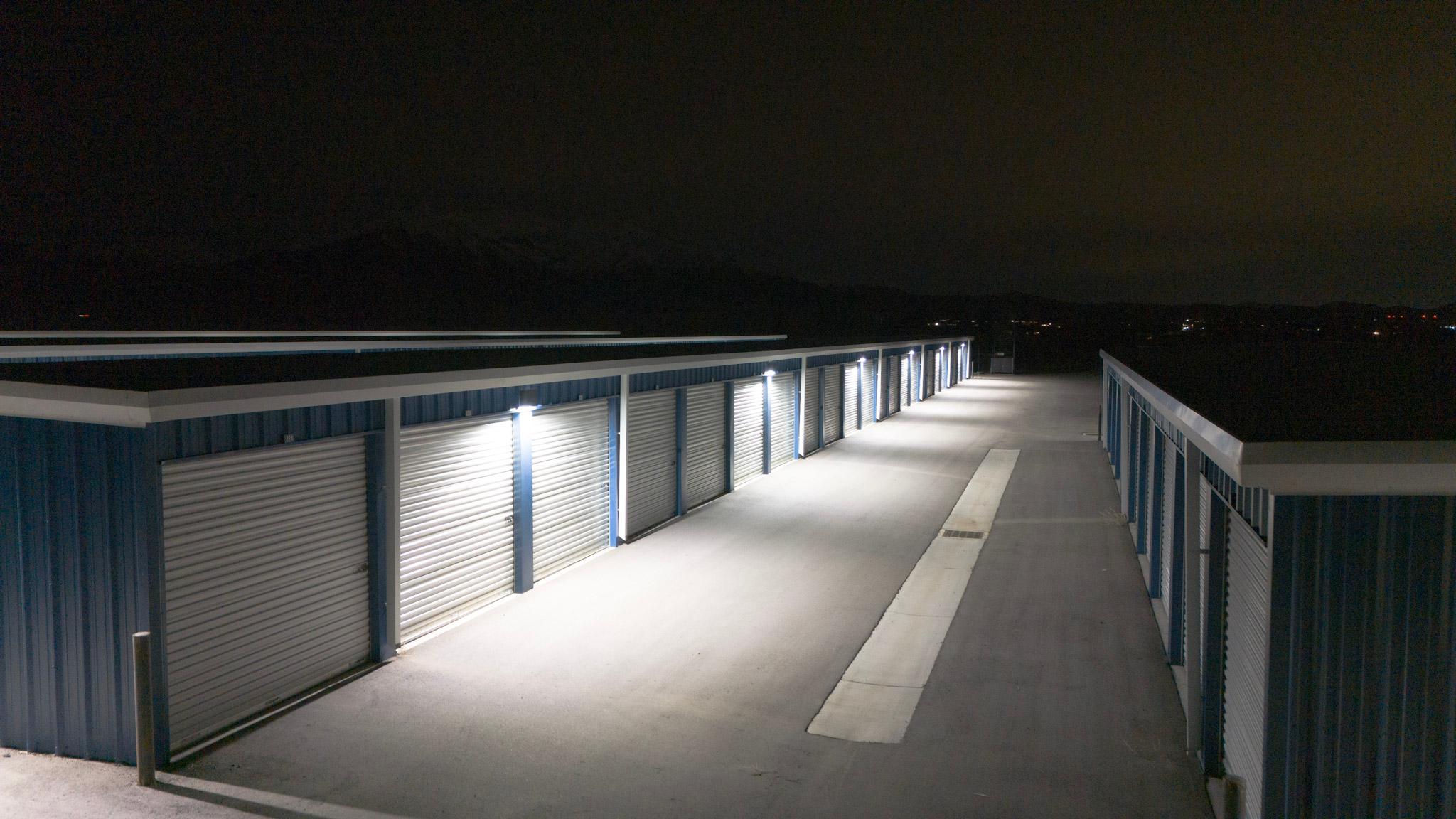
Moving has a way of turning even the most organized person into someone surrounded by boxes, tape, and last-minute decisions. While it may feel like the goal is simply to get everything out of your current space, the way you pack your storage unit has a lasting impact on how smooth your move will be later. Knowing how to pack your storage unit properly allows you to stay in control, avoid damage, and make unpacking far less overwhelming.
As you begin planning, it helps to think of your storage unit as a temporary extension of your home rather than just a place to store items. When exploring storage options in Fairfield, this mindset can completely change how you approach packing. Instead of rushing to fill the space, you begin to design it in a way that supports your next step.
Start With a Strategy Before You Pack a Single Box
Before taping up boxes or moving furniture, it is worth taking a moment to pause and map out your approach. Too often, people begin packing without a clear system, which leads to a unit that feels chaotic and difficult to navigate later. By contrast, a simple plan can save hours of frustration in the long run.
To begin with, sort your belongings into categories based on how often you expect to use them. Items that you use regularly should remain accessible, while those that are purely seasonal or sentimental can be stored further back. This step may seem obvious, yet it is one of the most commonly overlooked parts of the process.
At the same time, consider how your lifestyle in Fairfield influences what you might need access to. The area is known for its open spaces and outdoor activities, which often means storing gear like hiking equipment, sports items, or seasonal supplies. Residents and visitors alike enjoy a variety of recreational opportunities throughout the year. With that in mind, organizing your storage unit around your routine makes it far more functional. To bring everything together, sketch a simple layout of your storage unit before you begin loading it. Even a rough plan helps you visualize where furniture, boxes, and walkways will go, which ultimately prevents wasted space and unnecessary rearranging.
Choose the Right Packing Materials and Stay Consistent
Once you have a plan in place, the next step is selecting materials that support both organization and durability. While it may be tempting to use a mix of boxes you already have, consistency plays a much larger role than most people expect. Uniform boxes make stacking easier, create a cleaner structure, and reduce the risk of items shifting over time. In addition, they allow you to maximize vertical space without compromising stability. As you begin packing, try to group similar items and avoid mixing unrelated belongings in the same box. This not only protects your items but also makes unpacking significantly more efficient.
Equally important is labeling. Rather than writing a single vague word, take a few extra seconds to be specific. For instance, instead of labeling a box as bedroom, you might write winter clothing and bedding. This added detail becomes incredibly valuable when you are searching for something later. A simple and effective labeling system might include:
- Writing labels on multiple sides of each box so they are visible from different angles
- Using consistent naming conventions for rooms or categories
- Adding brief notes about fragile contents when necessary
By maintaining consistency throughout this stage, you create a storage unit that feels organized from the very beginning.
Disassemble Furniture and Build a Strong Foundation
As you move on to larger items, furniture requires a slightly different approach. Because these pieces take up the most space, breaking them down into smaller components can dramatically improve how efficiently your unit is used. Start by disassembling anything that can be taken apart, such as bed frames, tables, or shelving units. Keep all hardware in clearly labeled bags and attach them securely to the corresponding item. This small step prevents the frustration of missing screws or mismatched pieces later.
At the same time, protecting your furniture is just as important as saving space. Wrap items with blankets, padding, or protective covers to guard against dust and scratches. In a place like Fairfield, where seasonal changes can bring fluctuations in temperature and occasional dust, this added layer of protection helps preserve your belongings. Utah experiences a range of seasonal conditions that can impact stored items if they are not properly covered. Once prepared, place larger furniture along the walls of your storage unit. This creates a sturdy perimeter and forms the foundation for stacking lighter boxes on top. As a result, your unit becomes more stable and easier to organize.
Create a Layout That Prioritizes Accessibility
Although it may be tempting to use every inch of space, leaving room for accessibility is one of the most important aspects of how to pack your storage unit. Without a clear path, even the most organized boxes can become difficult to reach. For that reason, consider leaving a narrow aisle through the center of your unit. This simple design choice allows you to move freely, reach items in the back, and make adjustments without unloading everything. Over time, this becomes one of the most valuable features of your storage setup.
In addition, think about how often you will visit your unit. If you plan to stop by occasionally to retrieve items, accessibility becomes even more important. For example, Fairfield residents who rotate seasonal gear or outdoor equipment will benefit greatly from having a clear walkway and easily reachable sections. By planning for movement within your unit, you transform it from a tightly packed space into a functional and user-friendly environment.
Organize Items Based on Frequency of Use
With your layout in place, the next step is deciding where each item belongs. A helpful way to approach this is by thinking in terms of zones. The front of your unit should be reserved for items you will need most often, while the back can store belongings that will remain untouched for longer periods. For instance, items related to your daily routine or seasonal activities should stay within easy reach. Meanwhile, things like archived paperwork, keepsakes, or off-season decorations can be stored further away. This method reduces the need to constantly shift boxes around, saving both time and effort.
Furthermore, grouping similar items adds another layer of organization. Keeping kitchen items in one section and bedroom items in another allows you to retrieve what you need without searching through unrelated boxes. Over time, this thoughtful placement makes your storage unit feel more intuitive and easier to manage.
Maximize Vertical Space While Maintaining Stability
As your unit begins to fill, it is natural to look upward for additional space. Stacking is an effective way to maximize storage, but it must be done with care to avoid accidents or damage. To start, always place heavier boxes on the bottom and lighter ones on top. This creates a stable base and prevents crushing fragile items. At the same time, avoid stacking boxes too high, as this can make them difficult to access and increase the risk of tipping.
If your unit has higher ceilings, you can take advantage of that space by stacking strategically or incorporating shelving. Shelving units provide a structured way to store smaller items while keeping everything visible and organized. By balancing efficiency with safety, you ensure that your storage unit remains both practical and secure.
Keep Track of What You Store
As packing progresses, it becomes increasingly important to keep track of what goes into your unit. Without some form of inventory, it is easy to forget where items are located, especially if your storage period extends over several months. Creating a simple inventory list helps eliminate that uncertainty. The key is to document what you store and where it is placed. Even a basic list can save significant time when you need to locate something quickly.
If you are still determining how much space you need, reviewing a detailed resource like our storage unit size guide in Fairfield, UT, can help you plan more effectively. Choosing the right size from the beginning prevents overcrowding and allows you to maintain organization throughout the process.
Protect Fragile and High-Value Items Thoughtfully
While most items can be packed with standard materials, fragile and valuable belongings require additional care. Taking extra time during this stage can prevent costly damage and ensure your items remain in good condition. Wrap delicate items individually using bubble wrap or packing paper, and fill empty spaces within boxes to prevent movement. Clearly label these boxes so you know to handle them with care when retrieving or rearranging.
In addition, consider placing fragile items slightly elevated rather than directly on the floor. Using pallets or sturdy boxes creates a barrier that protects against dust and potential moisture. Keeping these items near the front of your unit also makes them easier to access without disturbing heavier stacks.
Think Ahead to Make Moving Out Easier
As you finalize your packing, it is helpful to think beyond the present moment and consider your future move. Organizing your unit with unpacking in mind can significantly reduce stress later. Group boxes by room so they can be moved directly into the appropriate space when you are ready. Keep essential items together so they are easy to locate during the transition. This forward-thinking approach creates a smoother process from start to finish. In many ways, how you pack your storage unit directly influences how easy your next move will feel. By planning, you set yourself up for a more efficient and less overwhelming experience.
Making Storage Work for Everyday Life in Fairfield
Storage is also about supporting your day-to-day lifestyle. In Fairfield, where outdoor activities and seasonal changes play a role in daily life, having a well-organized storage unit makes it easier to transition between different routines. Thoughtful organization allows you to access what you need without disrupting everything else. This balance helps you stay focused on enjoying your surroundings rather than managing clutter. Ultimately, learning how to pack your storage unit is about creating a system that works both now and in the future.
With careful planning, consistent organization, and attention to detail, your storage unit becomes a reliable and functional space. As you continue preparing for your move, exploring storage options in Fairfield can provide the flexibility needed to keep everything organized and accessible. When packing is done with intention, your storage unit supports your transition rather than complicating it.
Categories