
Your Kitchen Is Mid Remodel. Will Your Appliances Still Work? Here's How to Store Them the Right Way
Your Kitchen Is Mid Remodel. Will Your Appliances Still Work? Here's How to Store Them the Right Way
Alicia Aguirre
June 30th, 2026
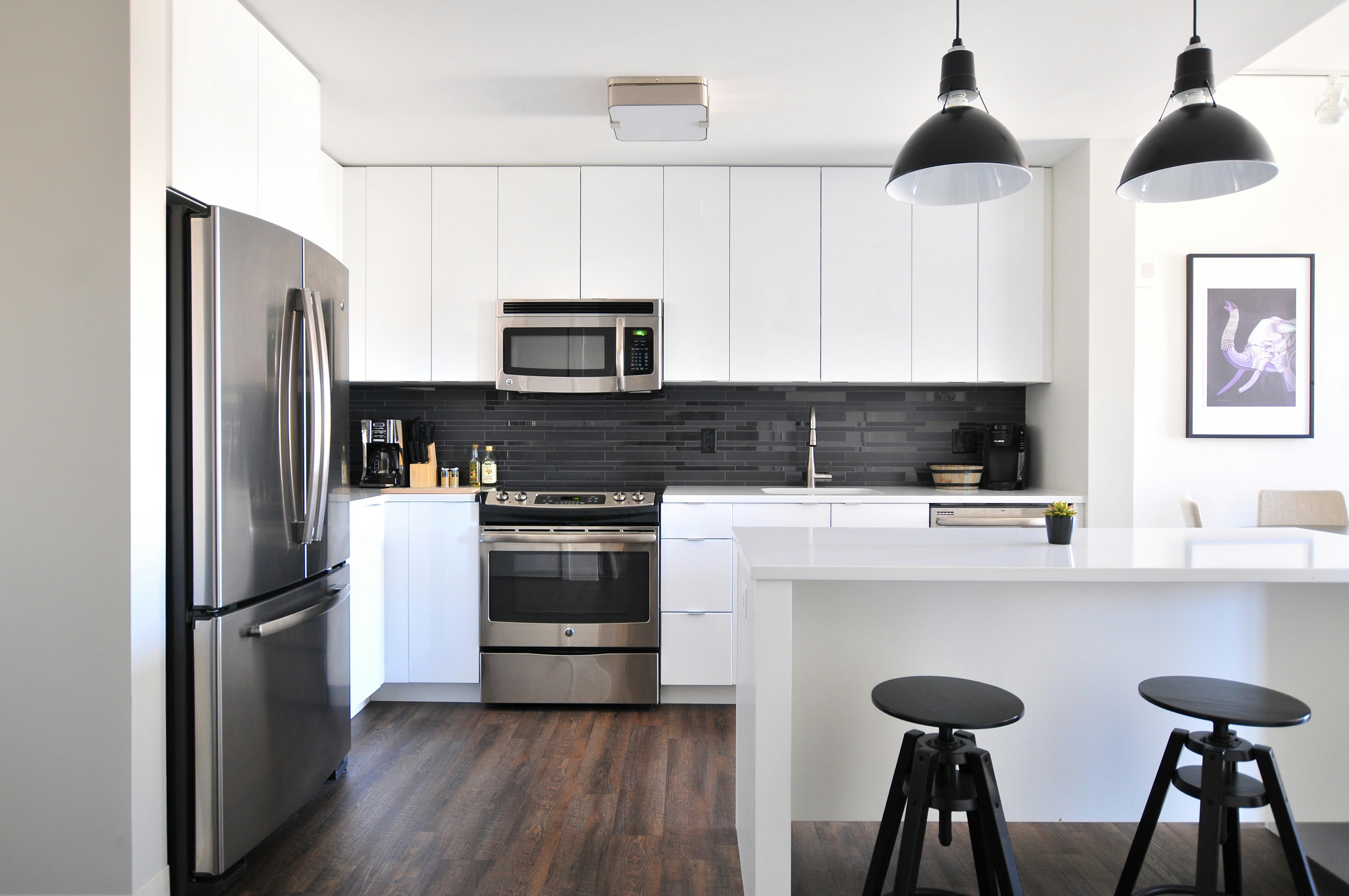
A home remodel can completely transform your living space, but it also creates temporary challenges that homeowners sometimes overlook. One of the biggest is deciding what to do with large appliances while walls are being painted, flooring is replaced, cabinets are installed, or plumbing and electrical work are underway. Leaving a refrigerator, washer, dryer, or oven in the middle of a construction zone exposes it to dust, accidental damage, moisture, and unnecessary wear that can shorten its lifespan. Fortunately, planning makes the process much easier. Finding convenient storage options in Fairfield, Eagle Mountain, or Saratoga Springs gives you a secure place to keep appliances while your remodel moves forward. Instead of squeezing everything into the garage or covering appliances with dusty tarps inside the house, proper storage keeps your investment protected and gives contractors the room they need to work efficiently.
Residents throughout Fairfield and the surrounding communities continue to invest in home improvements as the area grows. Located near outdoor destinations like Five Mile Pass Recreation Area and the Cedar Valley landscape, homeowners often want their homes to be just as functional as the outdoor lifestyle they enjoy. Taking the time to prepare appliances correctly ensures they'll be ready to serve your family once the renovation is finished, instead of becoming another unexpected repair project.
Key Points for Readers Short on Time
- Clean every appliance thoroughly before placing it into storage.
- Always disconnect utilities correctly and allow appliances to dry completely.
- Keep refrigerators and freezers upright during transportation and storage.
- Protect finishes with moving blankets instead of airtight plastic coverings.
- Organize your storage unit so heavy appliances remain accessible throughout the remodel.
Why Proper Appliance Storage Matters More Than You Think
Many homeowners assume appliances can simply be unplugged and pushed into a garage until construction is complete. Unfortunately, that approach often leads to unpleasant surprises when the remodel is over. Dust can clog vents, moisture can create mold, pests may find their way into appliances, and moving equipment around several times increases the chances of dents or damaged electrical components. Appliances represent a significant investment in your home. Replacing a refrigerator, front-loading washer, or professional range can cost thousands of dollars. Spending an extra afternoon preparing each appliance before storage is far less expensive than replacing damaged equipment after the remodel. Construction sites are also constantly changing environments. Contractors move lumber, tile, drywall, ladders, and heavy equipment through the home every day. Even if an appliance isn't directly involved in the project, simply being nearby increases the risk of scratches, impacts, or debris entering sensitive components. Professional storage also helps keep your remodel organized. Workers have more room to complete projects safely, and homeowners avoid constantly shifting large appliances from one room to another as work progresses.
Start With a Complete Cleaning
One of the biggest mistakes homeowners make is storing appliances exactly as they were being used. Even small amounts of food residue, detergent, grease, or standing water can become major problems after several weeks in storage. Cleaning appliances before storage isn't just about appearance. It prevents odors, bacteria, mold, mildew, and corrosion from developing while the appliance sits unused. For refrigerators and freezers, remove every food item before unplugging the appliance. Once the interior reaches room temperature, wash every shelf, drawer, and compartment with warm water and mild soap. Pay particular attention to door gaskets where moisture often collects. After cleaning, dry every surface completely using clean towels.
Washers deserve similar attention. Run one final cleaning cycle if recommended by the manufacturer, then wipe the drum, detergent dispenser, and rubber door seal. Leaving moisture inside a front-loading washer almost guarantees mildew will develop during storage. Dryers should have the lint trap cleaned thoroughly, but homeowners should also vacuum lint from inside accessible vent openings. Excess lint attracts moisture and pests while creating unpleasant odors. Dishwashers should be emptied, cleaned with a manufacturer-approved cleaner, and left open long enough for every interior surface to dry. Ranges, ovens, and microwaves also benefit from a complete cleaning before storage. Removing grease now prevents stains from hardening during months of storage and makes the appliance much easier to reinstall later. The U.S. Department of Energy also recommends cleaning refrigerator condenser coils periodically to improve efficiency and extend appliance life, making this an ideal task before placing your refrigerator into storage.
Never Rush the Drying Process
Moisture is one of the biggest enemies of appliances in storage. Even small amounts of water trapped inside hoses, pumps, or compartments can create mold, mildew, rust, or unpleasant odors over time. After cleaning, allow appliances to air dry much longer than you think necessary. Leaving refrigerator and freezer doors open for at least twenty-four hours helps eliminate hidden moisture that towels may miss. Similarly, washing machines benefit from keeping the door or lid open overnight before moving them into storage.
Dishwashers should also remain open until every surface feels completely dry. Taking this extra step greatly reduces the likelihood of opening the appliance months later only to discover mold inside. Many homeowners place a small box of baking soda inside refrigerators or freezers during storage to absorb lingering odors. Others place a moisture-absorbing product nearby, especially if the remodel will last several months.
Keep Refrigerators Upright Whenever Possible
Refrigerators are unique because they rely on compressor oil circulating through a sealed cooling system. Tilting or laying a refrigerator on its side for extended periods can cause that oil to migrate into cooling lines where it doesn't belong. Whenever possible, transport and store refrigerators in an upright position. This helps protect the compressor and reduces the chance of cooling problems once the appliance is plugged back in. If laying the refrigerator down is absolutely unavoidable during transportation, consult the owner's manual for manufacturer recommendations. Many manufacturers recommend allowing the refrigerator to stand upright for several hours, or even twenty-four hours, before plugging it back in after transport. Taking this precaution allows compressor oil to settle back into its proper location before the cooling system starts operating again.
Protect the Outside Without Trapping Moisture
It's natural to want maximum protection for expensive appliances, but using the wrong covering can actually create damage instead of preventing it. Plastic shrink wrap may seem like the safest option, but completely sealing appliances can trap moisture inside. That trapped humidity encourages mold growth, promotes rust, and may even damage electronic controls during long periods of storage. Instead, use clean moving blankets, quilted furniture pads, or breathable appliance covers. These materials protect against scratches while still allowing air circulation.
Secure blankets using moving straps or stretch wrap around the blanket itself instead of wrapping plastic directly against the appliance surface. For stainless steel finishes, placing a soft cloth between the moving straps and the appliance helps prevent pressure marks or scratches during transportation.
Choose the Right Storage Unit Layout
How you position appliances inside your storage unit is almost as important as preparing them correctly beforehand. Avoid pushing heavy appliances tightly against walls where airflow becomes restricted. Leave a few inches of space around each appliance whenever possible. This makes inspections easier and reduces the chance of accidental scratches while moving other belongings. If you're storing furniture, boxes, or remodeling supplies alongside appliances, place heavier items toward the back of the unit and create a central walkway. Being able to reach your refrigerator or washer without unloading the entire unit saves significant time if your remodeling schedule changes.
Before filling your unit, it's also worth reviewing these helpful guides on storage unit packing tips and tricks that actually make moving easier, and how to pack your storage unit to make life easier during your next move. Both offer practical organization strategies that can help protect large appliances while making the entire storage space easier to navigate during your renovation.
How to Store Individual Appliances the Right Way
Although many preparation steps apply to every appliance, each type has its own storage considerations. Spending a little extra time addressing these details can help you avoid unnecessary repairs and ensure everything is ready to use once your remodel is complete.
Refrigerators and Freezers
Refrigerators require the most preparation because they combine electrical components, water lines, insulation, and a compressor. After cleaning and drying the interior, remove or secure loose shelves and drawers so they do not shift during transportation. If possible, transport and store the appliance upright to protect the compressor. Instead of locking the doors completely shut, leave them slightly open using a towel or a manufacturer-approved spacer. This allows air to circulate and prevents stale odors or mold from developing while the refrigerator sits unused.
Washers
Even after disconnecting the hoses, washing machines often retain water inside the pump and drum. Let the machine drain thoroughly before moving it into storage. If your owner's manual recommends installing shipping bolts for transportation, be sure to do so. These bolts stabilize the drum and reduce the risk of internal damage while the washer is being moved. Keep the detergent drawer slightly open if possible, and avoid storing heavy items on top of the washer, as additional weight can stress internal components.
Dryers
Dryers are generally easier to prepare, but they still deserve careful attention. Remove all lint from the lint screen and exhaust vent before storage. Any remaining lint can trap moisture and create unpleasant odors over time. Coil the power cord neatly, secure it to the back of the appliance, and store any vent clamps or connectors inside the drum so they stay with the dryer until it is reinstalled.
Dishwashers
Dishwashers contain several hidden areas where water can remain after use. Before storage, run the drain cycle if applicable and inspect the filter for food particles. Leave the door open long enough for every interior surface to dry completely. If your remodel is expected to last several months, checking the dishwasher periodically can help ensure moisture has not accumulated inside.
Ranges and Ovens
Freestanding ranges should be cleaned thoroughly, especially around burners and inside the oven cavity. Remove loose racks and wrap them separately to prevent scratches. If your range uses natural gas, have the gas connection disconnected safely if you are unfamiliar with the process. Built-in wall ovens may require professional removal depending on the electrical installation. Planning this step before demolition begins can save both time and frustration.
Microwaves and Small Appliances
Countertop microwaves, air fryers, stand mixers, coffee makers, and similar appliances should be cleaned, dried, and packed in sturdy boxes whenever possible. Original packaging offers excellent protection if you still have it. Otherwise, use moving paper, bubble wrap, and strong boxes that prevent appliances from shifting during storage.
Avoid These Common Storage Mistakes
Many appliance problems develop because of simple oversights rather than major accidents. Fortunately, these issues are easy to avoid with proper planning. Some of the most common mistakes include:
- Storing appliances before they have completely dried.
- Wrapping appliances tightly in plastic without allowing airflow.
- Lying refrigerators on their sides for extended periods.
- Forgetting to secure power cords, hoses, and removable shelves.
- Placing heavy boxes on top of appliances.
- Packing appliances so tightly that they cannot be accessed if plans change.
It is also tempting to use appliances as shelves once they are inside the storage unit. However, stacking multiple heavy boxes on top of a refrigerator or washing machine can dent panels or place unnecessary stress on doors and hinges. A little extra floor space now can help preserve the condition of your appliances until the renovation is complete.
Getting Appliances Ready to Move Back Home
The final stage of appliance storage begins when construction is complete. Resist the urge to rush everything back into the house immediately. Taking a few extra steps before reconnecting appliances can improve both safety and performance. Start by inspecting each appliance carefully for dust, dents, or loose components that may have shifted during storage. Reinstall shelves, drawers, hoses, and accessories that were removed during preparation. Refrigerators deserve special attention. If the appliance was transported in anything other than a fully upright position, allow it to stand upright for the period recommended by the manufacturer before plugging it in. This gives compressor oil time to settle properly and reduces the risk of damaging the cooling system.
Reconnect water lines carefully, check electrical cords for wear, and verify that gas appliances are connected according to local safety requirements. Once everything is in place, allow refrigerators to reach their proper temperature before adding food, and run an empty cycle in washers and dishwashers to flush away any dust that may have accumulated. The Association of Home Appliance Manufacturers also provides valuable guidance on appliance use, maintenance, and safety that homeowners can reference before reinstalling household appliances.
Why Planning Makes Remodeling Less Stressful
Home renovations involve countless moving parts, and every bit of preparation helps the project run more smoothly. When appliances are cleaned, protected, and stored properly, contractors have more room to work efficiently, homeowners enjoy a safer construction site, and expensive equipment stays protected from dust, moisture, and accidental damage. Instead of worrying about whether your refrigerator will cool properly or your washing machine will develop mold during storage, you can focus on the excitement of seeing your remodeled space come together. The extra effort you invest before moving appliances into storage often pays off the day they are installed again, working just as they did before the renovation began.
Whether you're updating a kitchen, renovating a laundry room, or completing improvements throughout your home, choosing the right storage options in Fairfield, Eagle Mountain, or Saratoga Springs helps keep your appliances protected until they're ready to return to service. With thoughtful preparation and smart organization, your remodel can end with a beautiful new space and appliances that are clean, functional, and ready for many more years of everyday use.
Categories